Viphnoreiaxlein
Outdoor Lifestyle

Reconnect With Nature Through Movement

Explore outdoor routines and discover how movement activities connect people to New Zealand's extraordinary natural environment

100+ Outdoor Routes
50+ Activity Types
365 Days of Adventure
Nature Connection
Daily Routine
Active Lifestyle
Scroll to explore
Why Choose Outdoor Movement

Explore Lifestyle Through Nature

Moving outdoors is a lifestyle approach that connects people to the natural world

Person stretching outdoors in morning sunlight

Physical Vitality

Morning sunlight exposure occurs during outdoor stretches. Outdoor movement engages stabilizer muscles through uneven terrain, includes weight-bearing activities, and challenges balance through natural obstacles. Fresh air provides higher oxygen levels compared to indoor environments.

Peaceful forest path with dappled sunlight

Mental Clarity

Forest environments create calming settings according to nature therapy research. The combination of rhythmic movement, natural sounds, and green visual surroundings occurs during outdoor activities. Walking among trees provides opportunities for mental restoration.

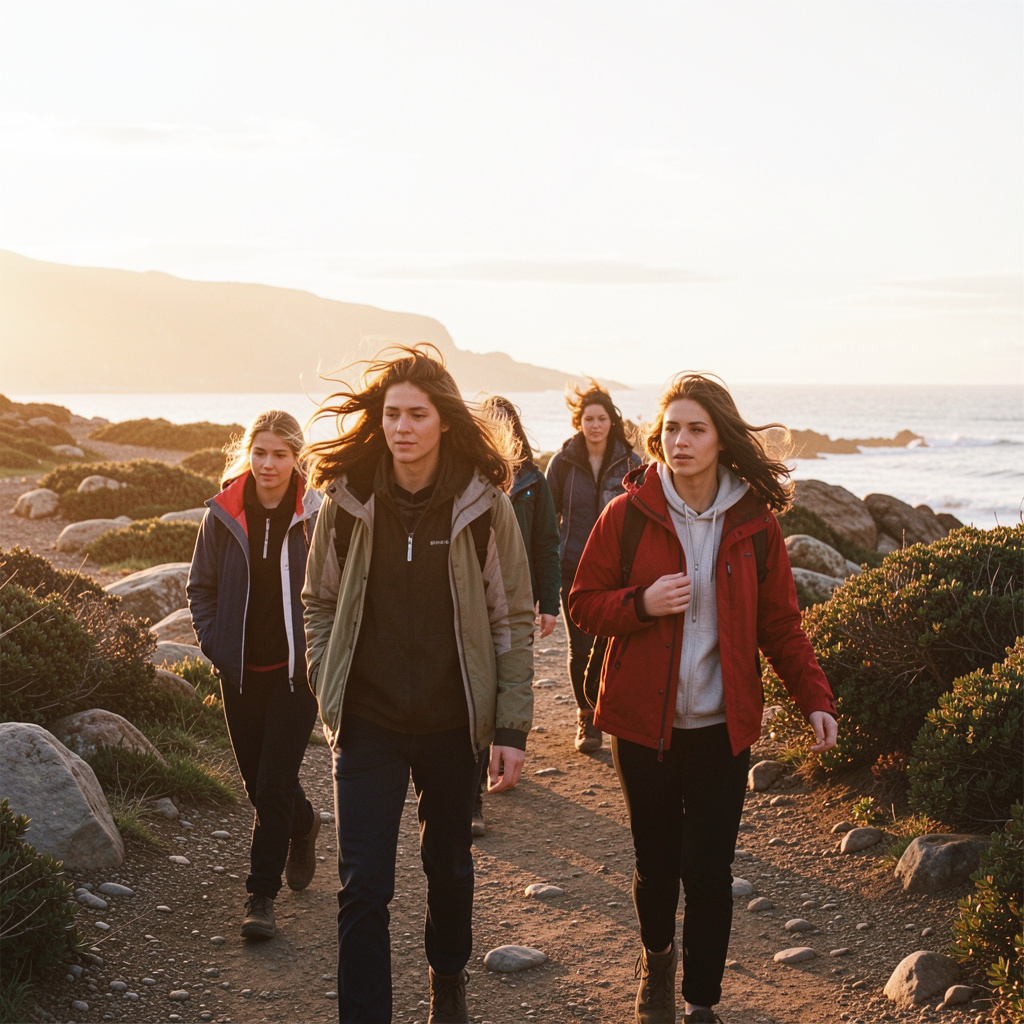
Group of people walking together on coastal trail

Social Connection

Coastal trail groups create accountability partnerships for exercise consistency compared to solo activities. Shared outdoor experiences foster bonding, while side-by-side walking facilitates natural conversations. Regular group participants often develop networks extending beyond exercise into broader life areas.

Popular Activities

Choose An Outdoor Adventure

Every activity offers unique characteristics—from meditative walking to trail running. Find what resonates with individual personality and fitness goals

Person walking on urban park pathway

Urban Walking

Urban park walks during lunch breaks offer green space exposure. Paved pathways eliminate barriers for beginners while providing accessible daily movement. Urban trees help filter air, creating pleasant breathing environments. Suitable for building the habit before progressing to longer adventures.

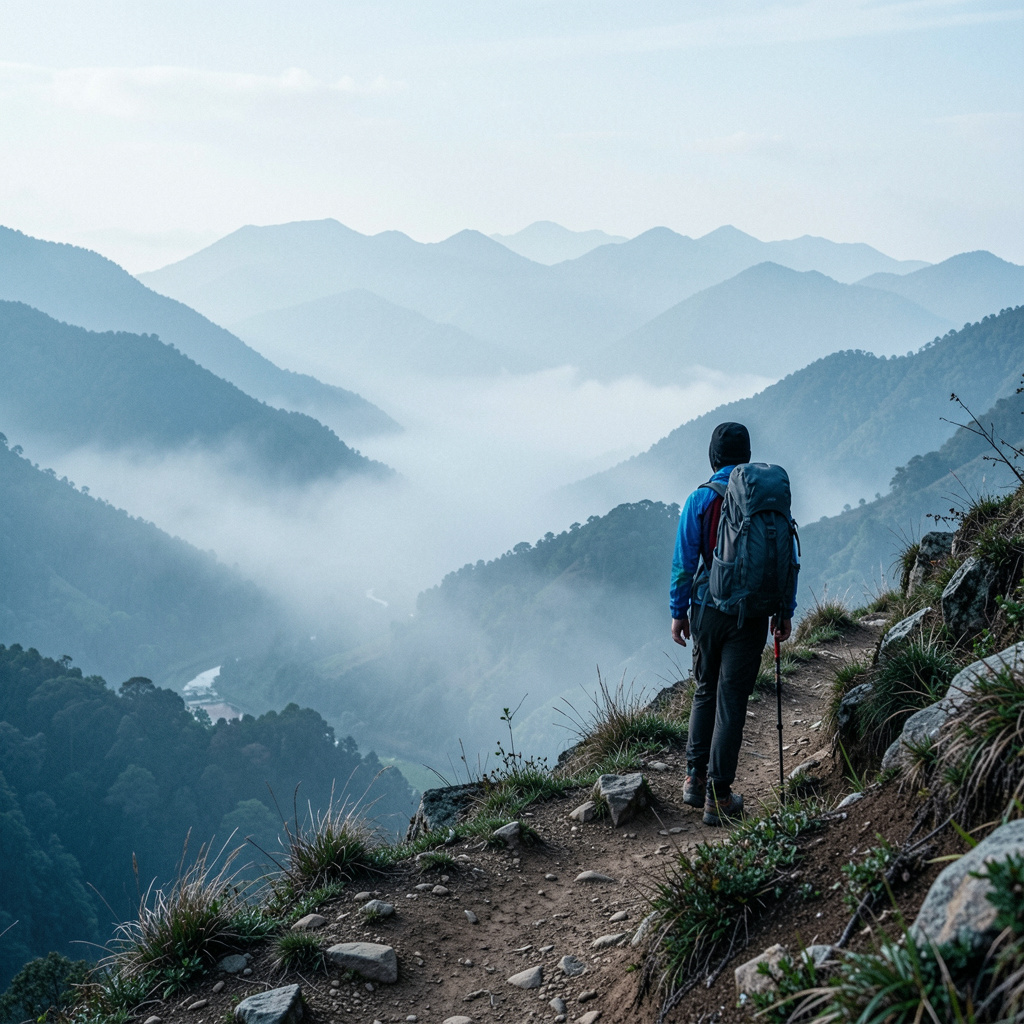
Hiker on mountain trail with backpack

Trail Hiking

Elevation gain provides more intensive workouts than flat walking while building leg strength and cardiovascular endurance. Summit views offer natural rewards. New Zealand's extensive network of marked trails ranges from 1-hour family walks to multi-day backcountry expeditions. Trail hiking develops navigation skills, wilderness awareness, and self-reliance alongside physical fitness.

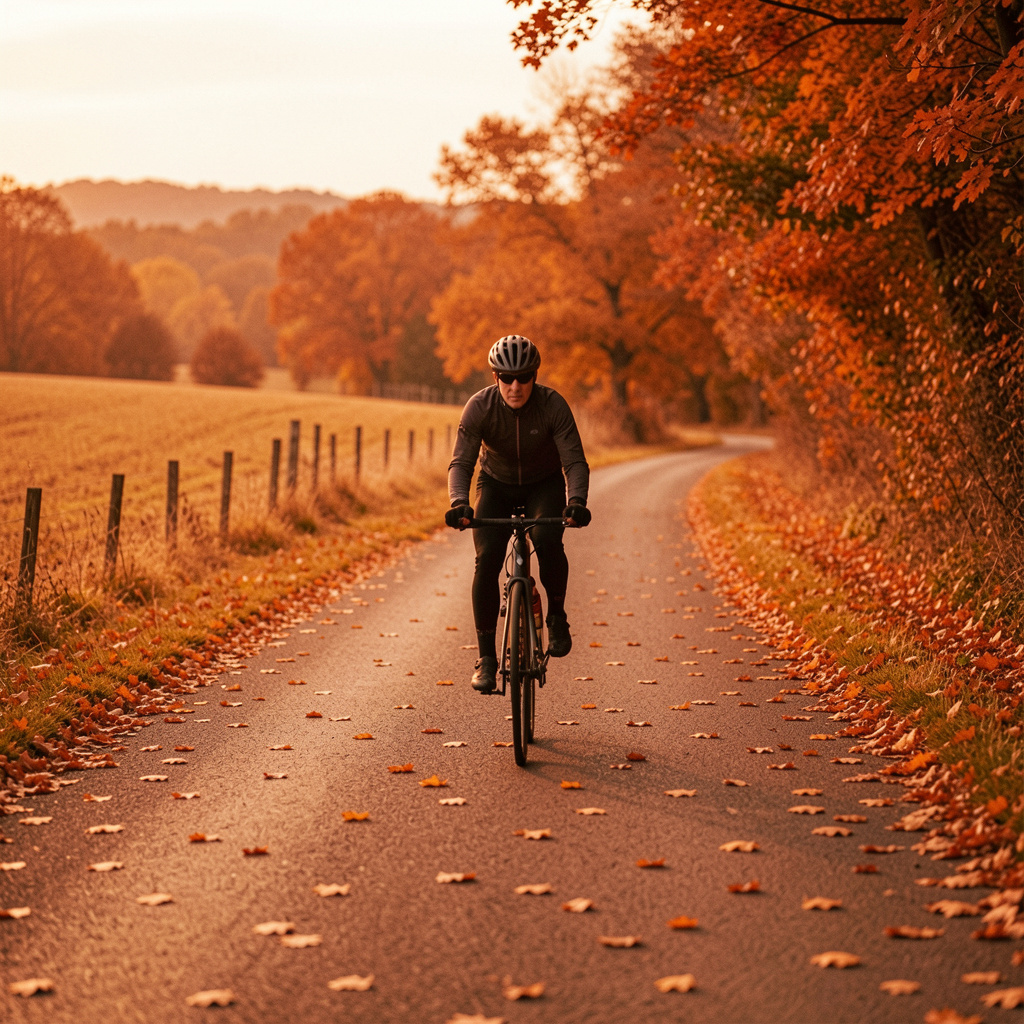
Cyclist riding through countryside road

Countryside Cycling

Cover 3-5 times the distance of walking while maintaining low joint impact. Wind resistance provides natural interval training, alternating between high and low intensity. Regional cycle trails connect towns, wineries, and coastal viewpoints, transforming exercise into exploration. E-bikes enable mixed-ability groups to ride together regardless of fitness differences.

Natural Environments

Discover New Zealand's Outdoor Spaces

New Zealand's geological diversity creates unparalleled outdoor movement opportunities. Volcanic activity formed Auckland's 48 cones, providing urban elevation training. Tectonic forces sculpted the Southern Alps, offering alpine challenges. Coastal erosion carved dramatic cliffs and sheltered bays perfect for seaside walks. This landscape variety means you can experience rainforest, alpine, coastal, and urban environments within a single day's drive.

Auckland's regional parks encompass 40,000+ hectares across 28 locations, representing 8% of the region's total land area. The Waitakere Ranges alone contain 16,000 hectares of native rainforest with 250+ kilometers of trails. Shakespear Regional Park protects 500 hectares of coastal forest and farmland. Tawharanui's 588 hectares include New Zealand's longest regional park beach at 3 kilometers. Each park functions as an outdoor laboratory for experiencing different ecosystems and terrain types.

Landscape Variety

  • Coastal pathways with 270-degree ocean views, salt-spray air, and opportunities for tide pool exploration and seasonal whale watching
  • Forest trails beneath 800-year-old kauri trees, surrounded by nikau palms and native birdsong from tui, kereru, and fantails
  • Mountain tracks with 300-500 meter elevation gains, cardiovascular challenges, and summit rewards offering views across multiple harbors
  • Urban parks providing lunch-break escapes within 10 minutes of CBD, featuring heritage trees and formal gardens alongside natural areas
  • Volcanic cone walks offering geological education, Maori cultural history, and 360-degree city panoramas from elevated viewpoints
  • Waterfront promenades stretching 10+ kilometers with flat terrain, beach access, playground facilities, and cafe stops for family outings
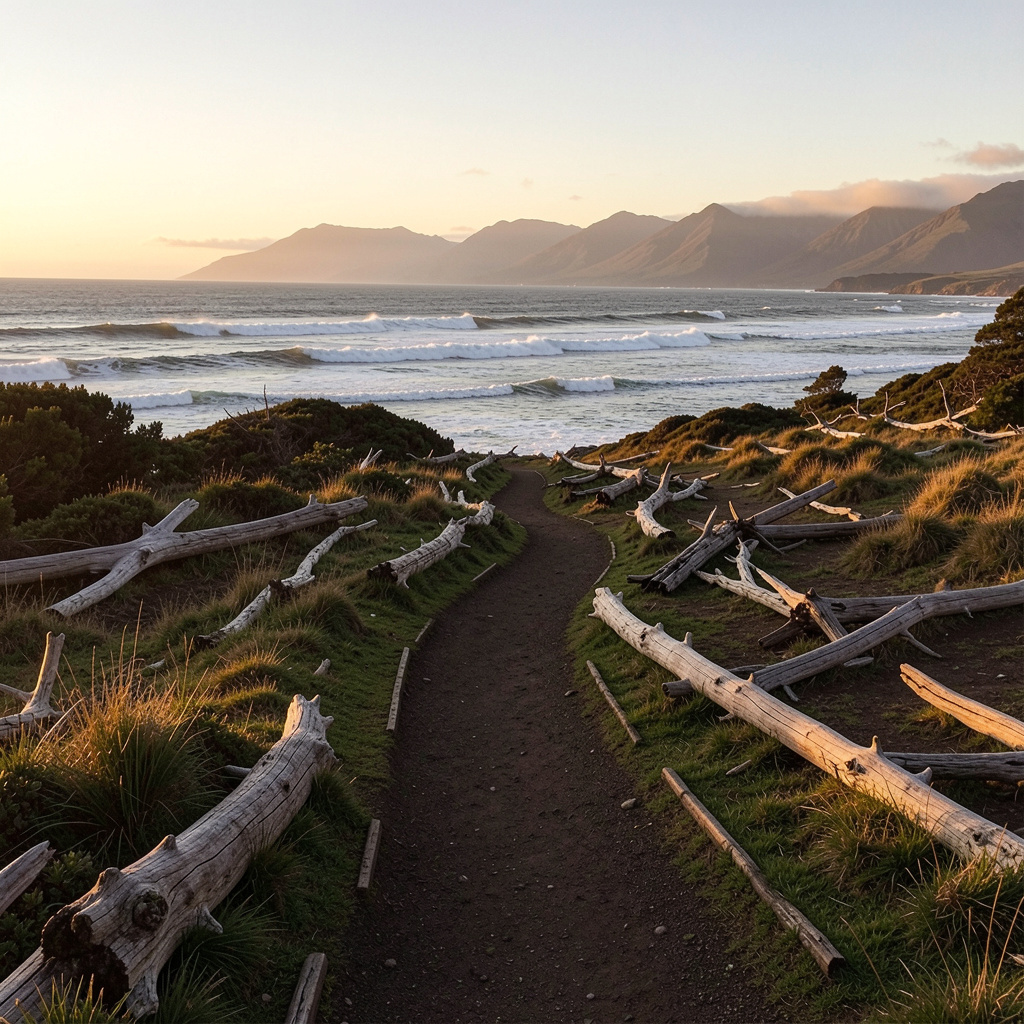
Scenic New Zealand coastal landscape with walking track
Community Connection

Join Fellow Outdoor Enthusiasts

Outdoor communities provide motivation, safety, knowledge sharing, and friendships that extend beyond the trail

Local Walking Groups

Weekly meetups create accountability for exercise consistency. Groups self-organize by pace preference—social strollers, fitness walkers, and power walkers. Regular participants often develop "walking buddies" who check in when someone's absent, creating social connections. Many groups extend beyond exercise into book clubs, coffee meetups, and birthday celebrations.

Hiking Clubs

Organized clubs provide trip leaders with Outdoor First Aid certification, GPS navigation expertise, and local ecological knowledge. Monthly expeditions progress from beginner-friendly 2-hour walks to advanced overnight backcountry trips requiring camping skills. Clubs maintain equipment libraries where members borrow tents, sleeping bags, and cooking gear, reducing financial barriers to participation. Experienced members mentor newcomers through gear selection, fitness preparation, and wilderness etiquette.

Online Communities

Digital platforms enable real-time trail condition updates—members post photos of muddy sections, fallen trees, or track closures within hours of discovery. Weather-dependent activities organize through instant messaging when forecast windows open. Photo sharing creates visual trail guides showing seasonal variations, helping others plan visits. Online communities also coordinate carpooling, reducing environmental impact and parking congestion at popular trailheads.

Family Activities

Family trails incorporate educational elements—nature scavenger hunts teach native plant identification, geocaching develops navigation skills, and tide pool exploration introduces marine biology. Shorter 1-2 kilometer loops accommodate young children's attention spans while providing sufficient exercise. Many locations offer playground facilities at trailheads, allowing parents to extend outings when children need structured play breaks. Family hiking builds lifelong outdoor appreciation and creates screen-free bonding time.

Mind & Body

Mindful Movement in Nature

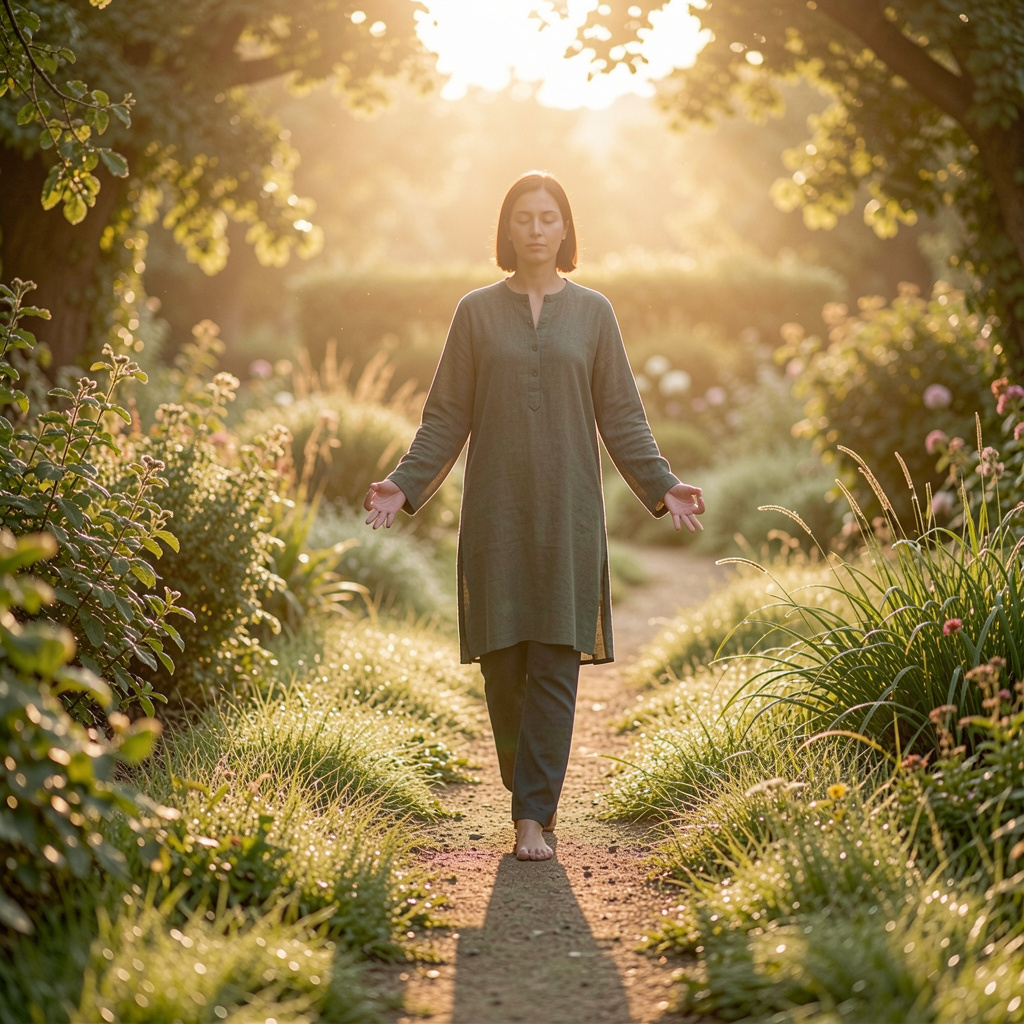
Person practicing mindful walking in peaceful garden

Mindful walking meditation merges ancient contemplative practices with modern movement approaches. Unlike seated meditation's stillness, walking meditation channels energy into purposeful motion while maintaining present-moment awareness. The practice originated in Buddhist traditions where monks walked between seated sessions, discovering that gentle movement could complement meditative states.

Focus attention on the complete walking cycle—heel striking ground, weight transferring forward, toes pushing off, leg swinging through air. Notice gravel texture crunching underfoot, native tui songs overhead, cool breeze against skin, dappled sunlight warming face. When thoughts arise, acknowledge them without judgment and gently return attention to physical sensations. This mental training strengthens attention control applicable to various life areas.

Mindful Walking Techniques

  • Synchronize breathing with footsteps: inhale for four steps, hold for two, exhale for four, creating rhythmic patterns that anchor attention
  • Observe natural sounds without labeling: resist naming "bird" or "wind," instead experiencing pure sound qualities—pitch, volume, duration
  • Practice gratitude for physical mobility, access to natural spaces, and the present moment's unique, unrepeatable nature
  • Leave digital devices behind or enable airplane mode—notifications fragment attention and prevent deep presence
  • Set intentions before walks: relaxation, clarity, energy, creativity, or simply being present without agenda or achievement
  • Walk 50% slower than usual pace to maintain awareness of each movement—speed fragments attention into destination-focus
  • Notice thoughts arising without judgment, observing them like clouds passing through sky, gently returning attention to body sensations
  • Practice "soft eyes"—unfocused gaze taking in peripheral vision rather than fixating on single points, enhancing present awareness
Explore Locations

Auckland's Premier Outdoor Destinations

Auckland's unique geography combines volcanic landscapes, harbor coastlines, and native forests within a compact urban area. This diversity creates unparalleled variety for outdoor enthusiasts, from beginner-friendly paths to challenging backcountry trails.

Auckland Regional Parks

28 regional parks encompass 40,000+ hectares representing 8% of Auckland's total land area. Waitakere Ranges protect 16,000 hectares of ancient rainforest with 250+ kilometers of trails beneath 800-year-old kauri. Shakespear Regional Park's 500 hectares combine coastal forest with farmland, functioning as a mainland island sanctuary for endangered species. Tawharanui's 588 hectares include New Zealand's longest regional park beach at 3 kilometers. Most parks offer free entry, maintained facilities, and trail maps available at information centers.

Volcanic Cone Walks

Auckland's 48 volcanic cones formed over 250,000 years through basaltic eruptions, creating natural viewpoints throughout the city. Mount Eden (Maungawhau) rises 196 meters, offering 360-degree panoramas across both harbors—its crater descends 50 meters below the summit. One Tree Hill (Maungakiekie) hosted New Zealand's largest Maori pa site, supporting 4,000+ people before European contact. Mount Victoria in Devonport provides harbor views after a 15-minute climb. Summit walks range from 15-45 minutes, combining geological education with cardiovascular exercise and cultural history.

Coastal Walkways

Tamaki Drive coastal path extends 10 kilometers from Okahu Bay to St Heliers, featuring flat terrain suitable for walking, running, and cycling. The route passes 8 beaches with swimming access, playground facilities, and cafe stops. Mission Bay's fountain and beach attract families, while Kohimarama offers calmer waters for swimming. Waterfront promenades provide wheelchair accessibility and pram-friendly surfaces. Early morning walks showcase sunrise over Rangitoto Island, while evening sessions capture sunset light across the harbor.

Urban Green Spaces

Auckland Domain's 75 hectares combine formal gardens with natural forest, featuring the Wintergardens' tropical and temperate glasshouses. Western Springs Park's 45 hectares surround a natural spring-fed lake, connecting to Auckland Zoo and MOTAT museum. Cornwall Park's 110 hectares encompass One Tree Hill summit, sheep-grazed pastures, and heritage tree collections. These urban parks provide lunch-break escapes within 10 minutes of CBD, offering maintained paths, public toilets, and free parking. Ideal for establishing daily movement routines without travel time.

Getting Started

Practical Resources for Outdoor Movement

Beginning A Journey

Start with 15-minute walks in familiar neighborhoods—habit formation typically requires consistent repetition over time. Increase duration gradually, around 10% weekly, for steady adaptation while building cardiovascular fitness. Choose flat, paved paths initially, progressing to gentle hills after 4-6 weeks as leg strength develops. Walking speed often increases naturally over time without conscious effort as fitness develops.

Schedule outdoor sessions at consistent times for habit formation—attach new behaviors to existing routines. Morning walks before breakfast can be energizing. Lunchtime breaks provide mental refreshment. Evening sessions offer relaxation after work.

Safety Guidelines

Inform family or friends of planned routes and expected return times using specific details—"Waitakere Ranges, Fairy Falls track, returning by 3pm" enables effective search if needed. Check MetService weather forecasts and mountain safety warnings before departing. Carry charged mobile phones, though signal coverage varies—Vodafone provides best rural coverage, Spark excels in urban areas, 2degrees offers limited backcountry reception.

Stay on marked trails in regional parks and forest areas to prevent erosion and protect native vegetation. Trail markers use international color-coding: orange for easy walks (1-2 hours, minimal elevation), blue for intermediate tracks (2-4 hours, moderate elevation), red for advanced routes (4+ hours, significant elevation). Download offline maps through apps like Maps.me or Avenza before entering areas with limited cell coverage—GPS functions without data connection.

Seasonal Adaptations

Summer months (December-February) require sun protection: SPF 50+ sunscreen applied before exposure, reapplied regularly. Wide-brimmed hats shade face, ears, and neck—baseball caps leave ears exposed. Polarized sunglasses reduce glare and support eye comfort. Consider scheduling activities during cooler morning (6-9am) or evening (6-8pm) hours when conditions are more comfortable. Winter demands layered clothing and waterproof outer shells for Auckland's rainfall concentrated in winter months.

Auckland's rainfall peaks during winter (June-August) with higher monthly averages. Waterproof jackets with good ratings and taped seams help prevent moisture penetration. Quick-dry synthetic or merino wool clothing maintains better insulation when wet compared to cotton. Many regional parks maintain all-weather tracks with gravel surfaces that drain well during wet conditions—check Auckland Council website for track status updates after heavy rain.

Progress Tracking

Simple logbooks record routes, distances, weather conditions, and personal observations—handwritten journals can support memory retention. Note wildlife sightings, seasonal changes, and how you felt during and after activities. Patterns may emerge over weeks revealing preferred times, locations, and activity types. Review monthly to identify progress and adjust goals.

Fitness apps track distance, elevation, and pace for data-oriented individuals—Strava provides social features and segment competitions, AllTrails offers trail maps and reviews, Komoot specializes in route planning. However, many outdoor enthusiasts prefer device-free experiences focused on present-moment awareness rather than metrics. Both approaches offer value—choose based on personal preference. Some alternate between tracked and untracked sessions, balancing data insights with mindful presence.

Begin An Adventure Today

Explore Outdoor Movement

Take the first step towards a more active lifestyle. Connect with nature and discover outdoor activities in New Zealand's stunning landscapes.

Expert Guidance

Access comprehensive resources and trail information to plan your perfect outdoor adventure

Community Support

Join local groups and connect with fellow outdoor enthusiasts who share your passion

Regular Activity

Experience outdoor activities through regular participation

Get in Touch

Contact Information

Address:
19 Victoria Street West
Auckland 1010
New Zealand

Phone:
+64 9 355 2000

Email:
talk@viphnoreiaxlein.world

Disclaimer: This website provides general lifestyle information only and does not constitute professional or medical advice. Consult appropriate professionals before beginning any new physical activity program.